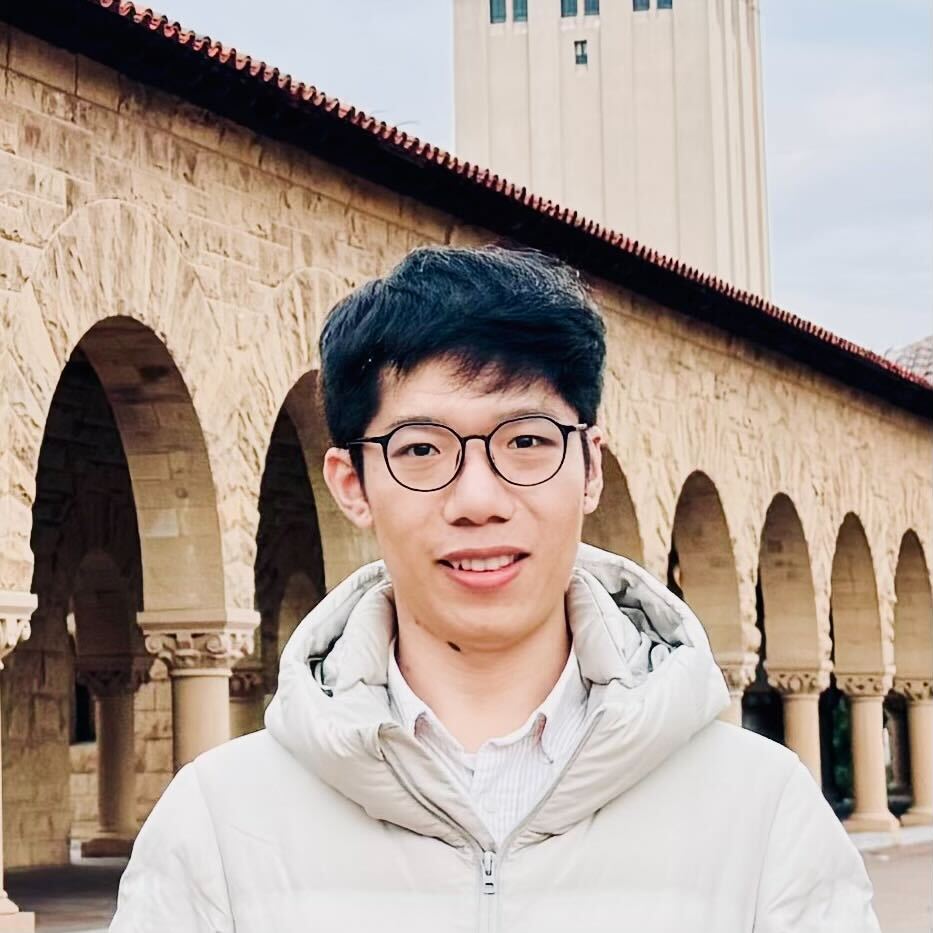
I am a fourth-year PhD student in Robotics at the Georgia Institute of Technology, where I am advised by Zsolt Kira and
Danfei Xu. I also work closely with Ye Zhao.
I was supported by the IRIM PhD Fellowship.
I am currently a student researcher at Meta.
My research focuses on physically grounded robot learning and autonomy,
with an emphasis on humanoid systems and tactile-guided dexterous manipulation.
I study how physical models, learning, and sensory feedback can help robots acquire versatile skills and expand their capabilities for physical interaction with the world.
[2025/06] Our SkinGrip paper accepted to IROS 2025.
[2025/04] I passed my Ph.D. qualifying exam.
[2023/04] I've been awarded the IRIM Fellowship.
[2023/01] Our multimodal grasping paper accepted to IEEE Transactions on Robotics (T-RO).
Research
I study how robots can acquire versatile whole-body skills and expand their capabilities for physical interaction.
My research aims to advance physical AI by grounding learning and autonomy in physical knowledge, enabling robots to make effective use of their bodies and environments.
My recent work takes a full-stack approach across three complementary directions:
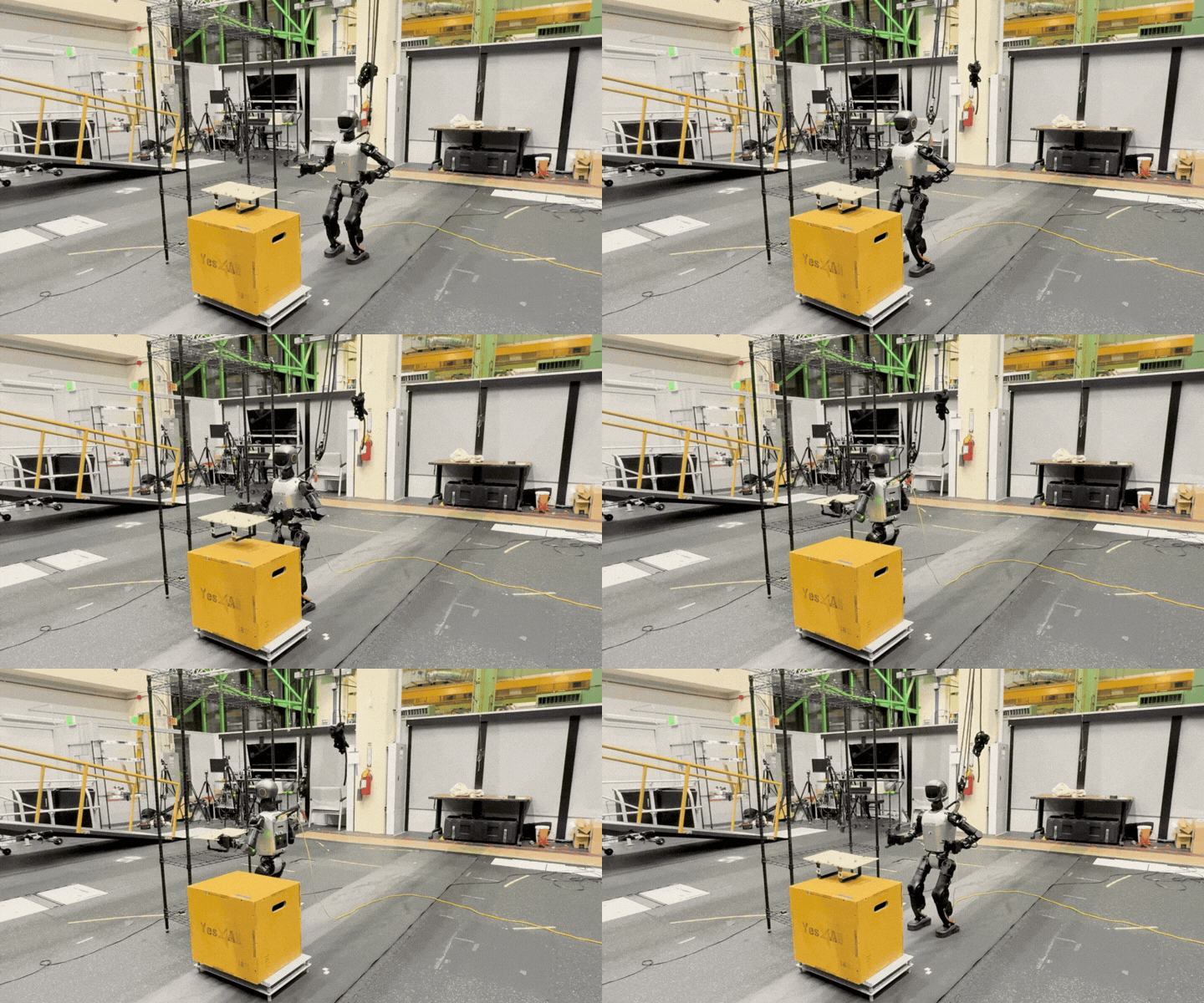
Opt2Skill — Learning whole-body skills from physical models.
Model-based trajectory optimization (TO) generates dynamically feasible, contact-consistent motion and torque references for reinforcement learning (RL).
This integrated approach gives robots a richer and more physically grounded training process, enabling them to learn whole-body behaviors more reliably and safely for real-world deployment.
Opt2VLA — Connecting task understanding with force-aware interaction.
This framework makes contact force an explicit part of the action representation, enabling a vision-language-action (VLA) policy to specify both how robots move and how they apply force.
TO provides physically grounded supervision for force-conditioned whole-body policies that execute these motion and force commands.
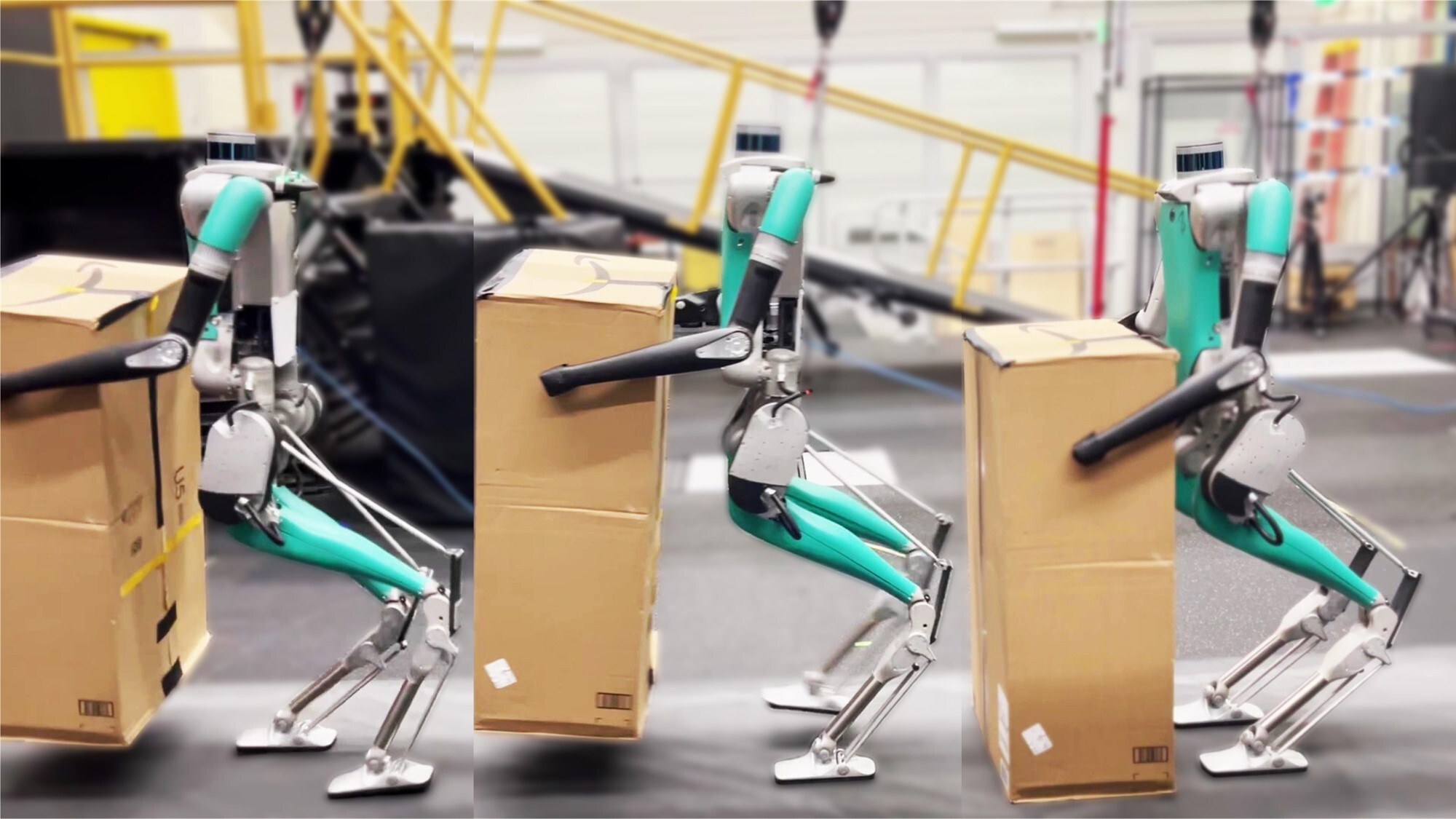
Humanoid-SRL — Expanding humanoid physical capabilities.
Augmenting a humanoid with a supernumerary limb expands reach and shared workspace, adds environmental support contacts, and enables coordinated manipulation, locomotion, and collaboration.
TO provides physically consistent motion guidance, while RL supplies whole-body feedback control, together forming a foundation for vision-guided autonomous interaction.
More broadly, my research connects robot learning, physical interaction, and autonomy, with an emphasis on grounding intelligent behavior in the capabilities and constraints of the physical world.
If you're interested in my research or potential collaborations, please drop me an email.
Points toward an approach to physical AI in which body morphology, physical models, and learning work together to expand how robots interact with the world.
Aligning what a humanoid plans with what its body can execute, allowing high-level policies and whole-body controllers to improve together through interaction.
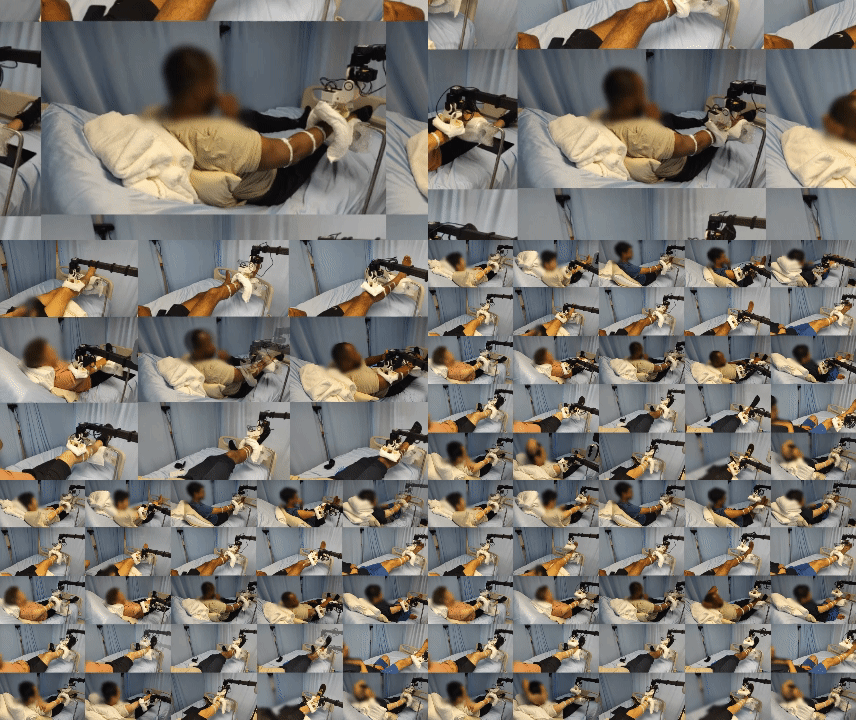
Bringing compliant embodiment and sensory feedback together so robots can adapt how they make and maintain contact with the human body during physical assistance.
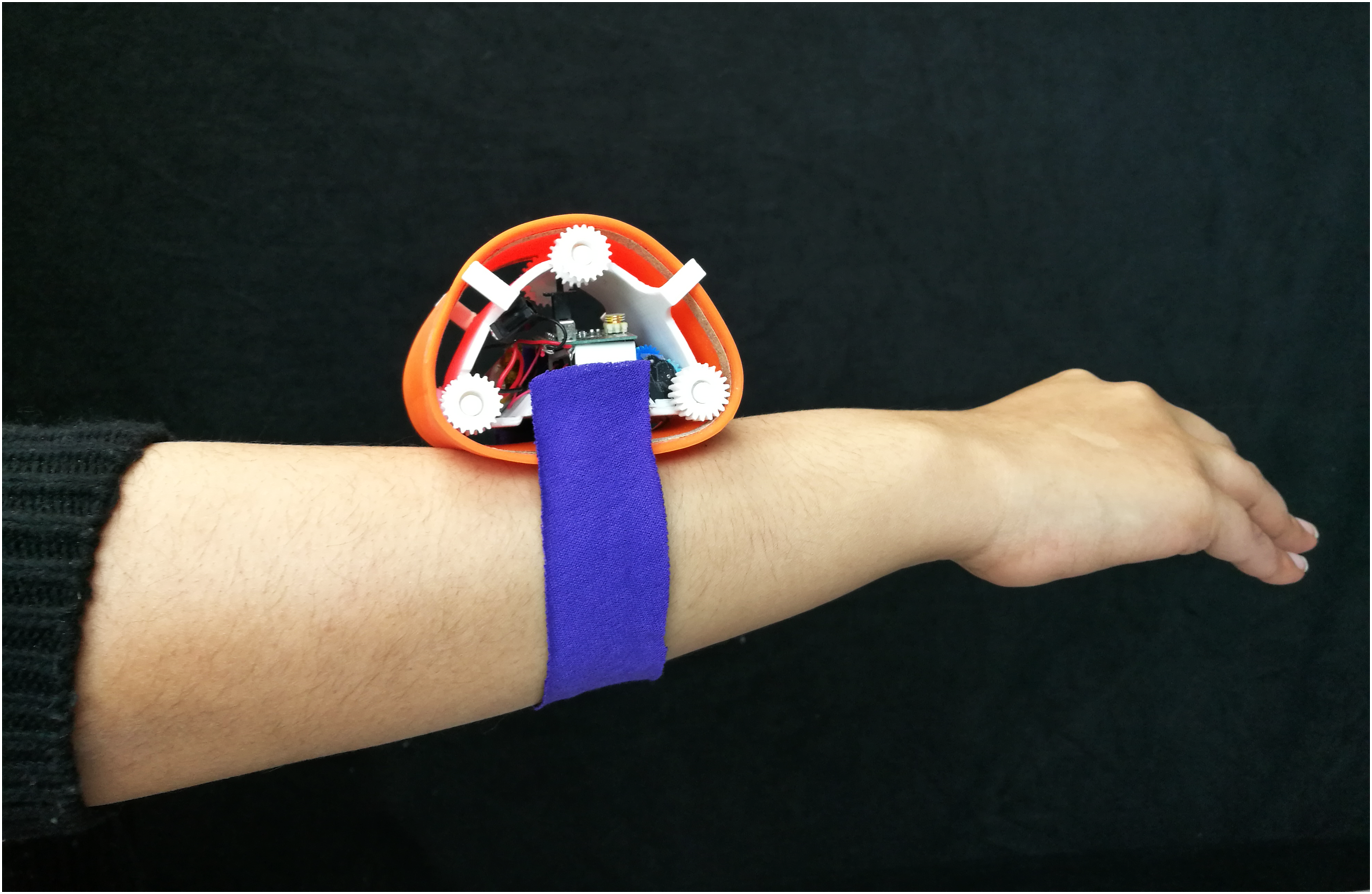
Exploring a form of robotic care in which robots move directly on the human body, combining wearable mobility with compliant contact to provide assistance.
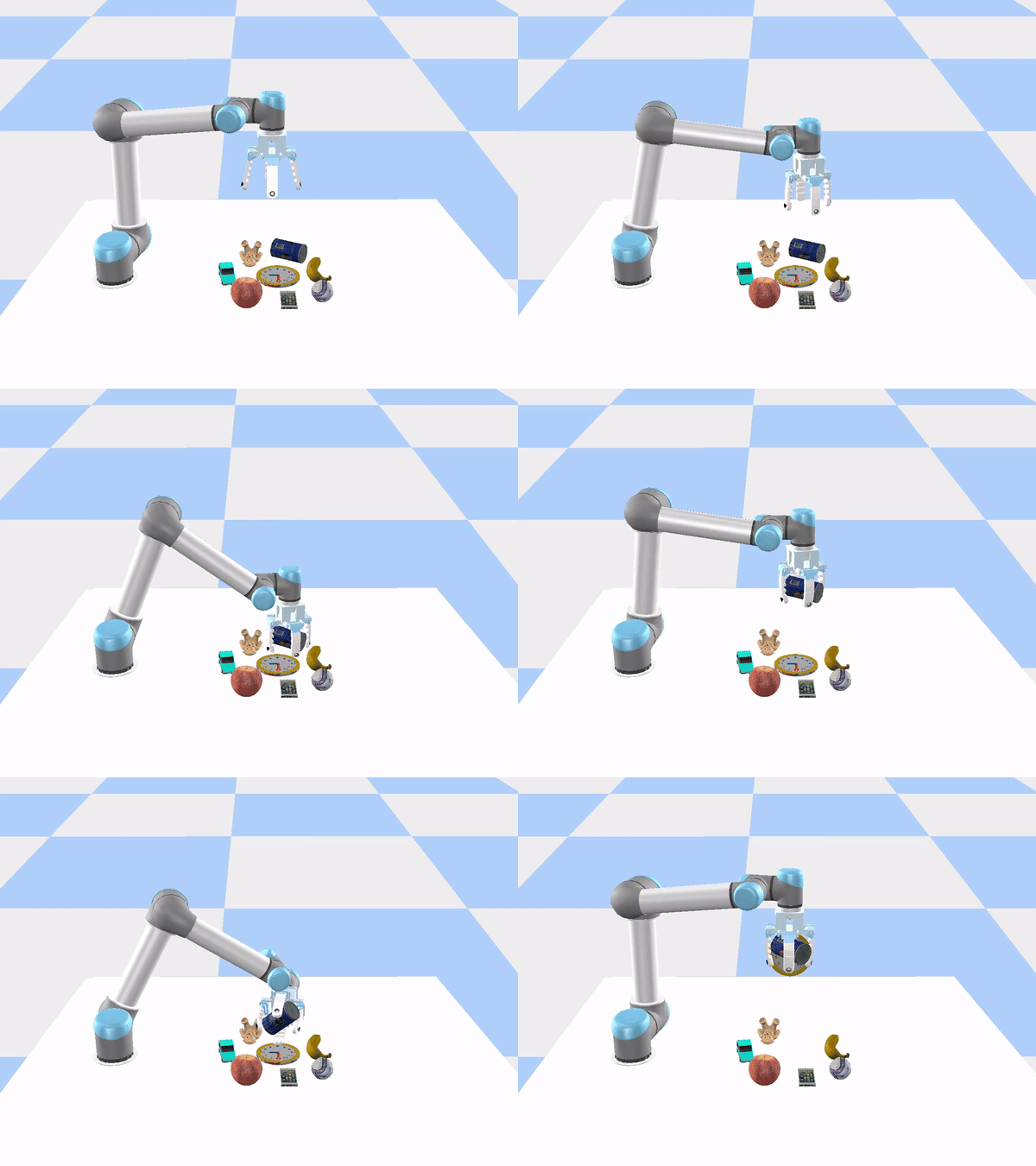
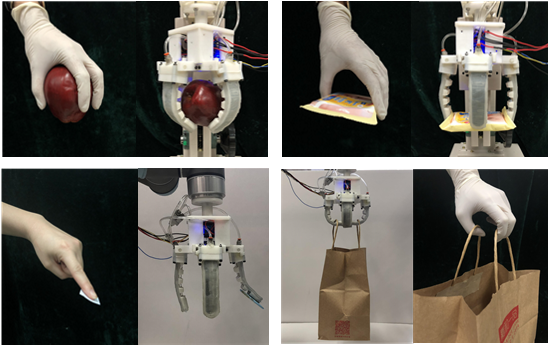
Expanding grasping versatility by changing both how a gripper makes contact and how it resists deformation, allowing a single embodiment to accommodate diverse objects.